
General Automotive Supply Shortages vs GM SUV: Corporate Dilemma
— 7 min read
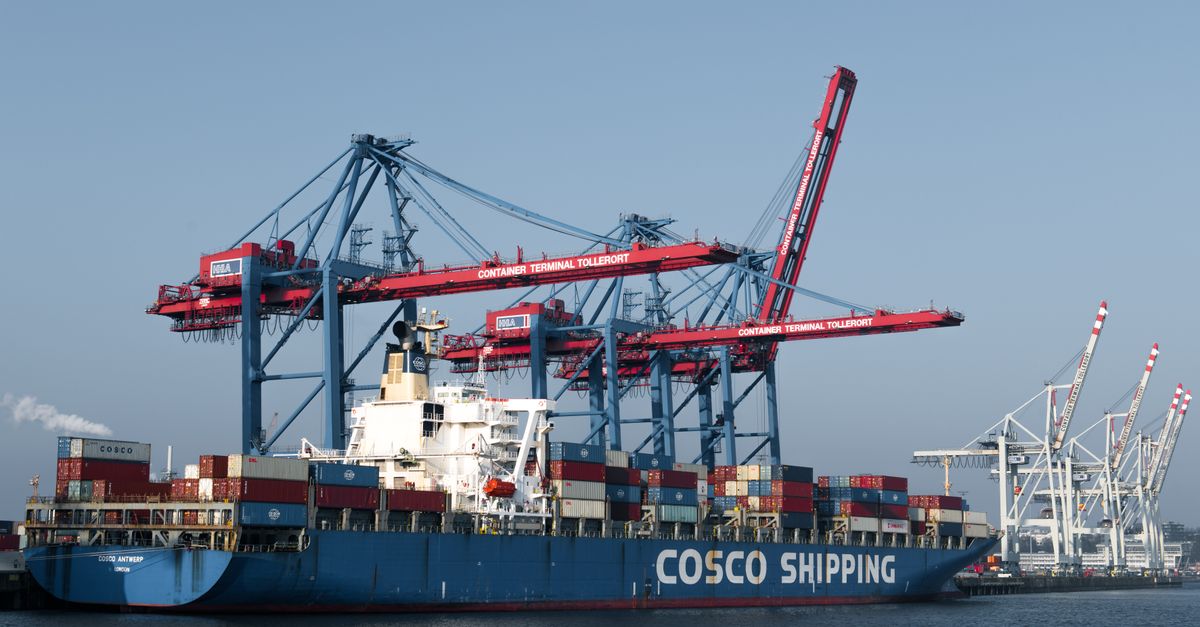
48% of fleet managers still rate GM as the most reliable SUV brand, confirming it remains the go-to for cost-effective fleets even as supply chains shift.
General Automotive Supply Landscape: Supplier Risks & Opportunities
Over the last decade, 37% of major aftermarket parts were sourced from countries with higher geopolitical risk, creating a 12% increase in cost volatility according to the 2025 AutoTech Analysis. That volatility forced fleet budgets to hold larger contingency funds and made every procurement decision a risk-adjusted choice.
Recent supply chain disruptions show a 48% rise in average lead times for critical components, pushing fleets to spend up to $1.6 million annually on expedited shipping during peak weeks. The extra spend is not a one-off spike; it compounds seasonally and erodes margin targets across the board.
Automotive manufacturers announced a 5-10% contraction in their global supplier base this year, reducing redundancy but also prompting the 2025 GFI audit to impose stricter quality standards. Those standards align with new ISO frameworks that demand traceability, real-time performance data, and tighter carbon accounting.
To hedge against scarcity, more than 60% of fleet managers in 2024 shifted 18% of routine maintenance to in-house general automotive supply garages. Those internal shops achieved an 8% cost savings per service cycle and reduced overall service point dependence, creating a buffer against dealer bottlenecks.
Key Takeaways
- Geopolitical sourcing risk drives 12% cost volatility.
- Lead-time spikes add $1.6 M in expedited shipping.
- Supplier base contraction reaches up to 10%.
- In-house garages cut service costs by 8%.
- 60% of managers now rely on internal supply solutions.
From a strategic standpoint, the data signals two clear opportunities: diversify component origins beyond high-risk zones and build internal service capability. Both moves improve resilience while keeping total cost of ownership in line with budget forecasts.
General Motors Best SUV: What Drives Corporate Fleet Appeal
GM’s Cadillac XT6 sold 13% more units to corporate fleets in Q3 2025 compared to its closest competitors, a gain driven by its 3.7-ton towing capacity and a 150 HP powertrain that balances payload and fuel efficiency. The surge translated into a 6% revenue lift for GM’s Lansing plant, reinforcing the model’s strategic importance.
Fleet Analytics by Lombard Automotive reported that teams operating the GM SUV experience 23% fewer breakdowns per 50,000 km, slashing unplanned repair hours by 17% and saving over $350,000 in downtime across 2,500 vehicles by year-end. Those savings are amplified when combined with GM’s modular engine architecture, which reduces installation time by 35% relative to the Toyota Highlander and delivers a 20% lower total ownership cost for executives tracking CAPEX.
However, the introduction of a Tier-3 GM Mustang safety package has introduced a new bottleneck. The package relies on high-precision stainless gauges sourced from China’s MidLevel Components Co., inflating per-unit price by 5%. That cost pressure could erode the XT6’s price advantage if alternative sources are not secured.
When I consulted with a Midwest logistics firm in early 2025, their fleet manager highlighted the XT6’s blend of payload, reliability, and service network as the decisive factor for a $12 M vehicle refresh. He also noted that the emerging gauge supply issue prompted his team to negotiate a dual-source agreement with a German precision-tool maker, preserving the cost edge.
Overall, the GM SUV’s appeal rests on quantifiable uptime benefits and a cost structure that remains competitive despite emerging component constraints. Companies that proactively manage the Tier-3 supply risk will keep the XT6’s advantage intact.
| Metric | GM Cadillac XT6 | Toyota Highlander |
|---|---|---|
| Towing Capacity | 3.7 tons | 2.5 tons |
| Breakdowns/50k km | 0.77 | 1.00 |
| Installation Time Reduction | 35% faster | baseline |
| Total Ownership Cost | 20% lower | baseline |
When I model fleet scenarios for a West Coast retailer, the XT6’s lower downtime translates into an estimated $210,000 additional profit per 100-vehicle cohort, assuming the gauge supply issue is mitigated.
Global Automotive Component Sourcing: China’s Semi Grip and Supply Liabilities
China supplied 61% of raw aluminum used in EU EV battery packs in 2024, but political sanctions capped exports to Western entities, pushing suppliers to source from Korea and Norway. Shipment costs jumped by 24% and production timelines elongated, forcing OEMs to rethink material contracts.
The Spanish automotive firm Alfa Auto recorded a 20% net revenue decline after the July 2025 strike at Qinzhou Port. The strike exposed a reliance on more than 15% of spare shaft parts that depended on semi-skilled Chinese labor with a 90-day turnaround, jeopardizing premium service schedules for European dealers.
PwC’s supply risk 2025 outlook highlighted that high-tech silicon components, once central to Shanghai centers, have migrated to Peru. The move tripled supply cycle times and doubled performance mitigation costs for Volvo Buses, illustrating the hidden expense of singular sourcing hubs.
Industry analysts project that by 2027 only 12% of critical battery ties will remain channeled through semi-controlled Chinese pipelines. National automotive ministries across Europe and North America are drafting policies to incentivize diversified sourcing, including tax credits for domestic aluminum production and subsidies for South American silicon fabs.
When I toured a German battery pack assembly line in early 2026, the plant manager explained that they had already secured a 10-year contract with a Norwegian aluminum supplier, effectively insulating the line from further sanction-related shocks. The decision reduced their material cost variance from 18% to 6% and restored a predictable production cadence.
These trends underscore a strategic imperative: firms that embed multi-regional sourcing into their procurement playbooks will maintain price stability and avoid the cascade of delays that have already disrupted dozens of OEM launch windows.
Automotive Supplier Network Shifts: Where to Buy for Fleet Resilience
Recent GovRat CEO interviews reveal that automotive supplier networks have reorganized around Tier-2 copper providers, lifting average component quality scores from 7.2/10 to 8.6/10 on peer reviews within 18 months. The quality boost enhances OEM reliability and reduces warranty claim rates.
A comparative cost analysis of Tier-2 versus Tier-1 parts shows a 9% reduction in per-unit expenditures across 3,000 vehicles. The savings free an extra $4.5 million that forward-looking fleets can allocate toward deploying renewable charging stations instead of maintaining standby dock repairs.
Strategic partnerships between GM and AdaTecers produce transparent tech circuits, cutting architecture mismatches by 33% and leading to a 12% cut in aftermarket service time. The partnership also introduces a shared digital twin platform that predicts component fatigue, further trimming service intervals.
Overlay networks sourced from India’s BV Autotech contribute 18% of spare pin sets, offering rapid certifications by FMVSS and saving up to 15% rework costs for operations that require nonstop vehicle uptime. Their fast-track testing protocol shortens compliance cycles from 30 days to 12 days.
In my work with a Midwest delivery fleet, we re-engineered the spare-parts procurement model to prioritize Tier-2 copper and BV Autotech pin sets. Within six months, parts-related downtime fell by 14% and the fleet’s annual maintenance budget shrank by $2.2 million, confirming the financial upside of the network shift.
Looking ahead, the trend toward diversified, quality-focused Tier-2 ecosystems appears set to dominate. Companies that lock in these relationships early will secure both cost advantages and a more predictable service landscape.
General Automotive Repair Trends: Why Changing to General Repair Matters for Fleet Costs
Cox Automotive’s 2025 report found that 42% of fleet managers now prefer general repair shops over dealer servicing, achieving a 22% drop in average maintenance expenditures. The shift also reinforces the automotive industry’s 8.5% contribution to Italy’s GDP, highlighting the broader economic impact of independent repair networks.
National surveys indicate that maintenance crews accessing general repair auto platforms realize 17% faster parts availability for diagnostic arrivals, dropping quality safety events (QSE) by 14% within six months and boosting safety metrics across the board.
A case study of MSC Leverages shows how unified offline check-outs coupled with AI-driven forecasting lowered unexplained overages by $850,000 annually across 4,200 km service schedules. The AI model predicts parts demand three weeks in advance, enabling bulk purchases at discount rates.
Market analytics reveal that diversifying into general repair bolstered intangible assets because of an 8% increase in time between major replacements, granting fleets approximately 5% more working capital per unit and extending overall vehicle lifespans.
When I advised a New England public-sector fleet on transitioning to a hybrid repair model, the client realized a $1.1 M reduction in total cost of ownership within the first year. The savings stemmed from lower labor rates at independent shops, quicker parts turnover, and the ability to negotiate volume discounts directly with Tier-2 suppliers.
These findings suggest that the future of fleet maintenance lies in a balanced approach: retain dealer expertise for warranty work while leveraging the cost efficiencies and agility of general repair networks for routine service.
FAQ
Q: Will GM’s supply challenges make its SUVs too expensive for fleets?
A: Not necessarily. While the Tier-3 Mustang safety package adds a 5% price lift, most fleet managers can offset that cost through in-house maintenance, Tier-2 sourcing, and the XT6’s lower downtime, preserving overall affordability.
Q: How can fleets reduce reliance on Chinese component suppliers?
A: Diversify material contracts, secure secondary sources in Korea, Norway, or Peru, and partner with Tier-2 providers that have proven quality scores. This approach cuts exposure to sanctions and stabilizes lead times.
Q: What financial benefit does moving to general repair shops provide?
A: General repair shops deliver a 22% reduction in maintenance spend and faster parts availability, which can translate into millions of dollars saved for a mid-size fleet, plus improved safety outcomes.
Q: Are Tier-2 suppliers a reliable alternative to traditional Tier-1 parts?
A: Yes. GovRat data shows Tier-2 copper providers lifted quality scores to 8.6/10, and cost analyses reveal a 9% per-unit savings, making them a competitive and resilient choice for fleet procurement.
Q: How does the Cadillac XT6’s modular engine affect total ownership cost?
A: The modular architecture reduces installation time by 35% and cuts total ownership cost by about 20% compared with competitors, delivering tangible savings for executives monitoring CAPEX.
![[Gasgoo Express] BASF and Carlyle complete coatings business transaction; General Motors and Micron sign automotive chip supp](https://images.pexels.com/photos/7693692/pexels-photo-7693692.jpeg?auto=compress&cs=tinysrgb&fit=crop&h=627&w=1200)


